Domů / Moduly / Horizontální funkční modul

Vlastní Horizontální funkční modul

O NÁS

Ningbo Zhenhai Huage Electronics Co., Ltd.

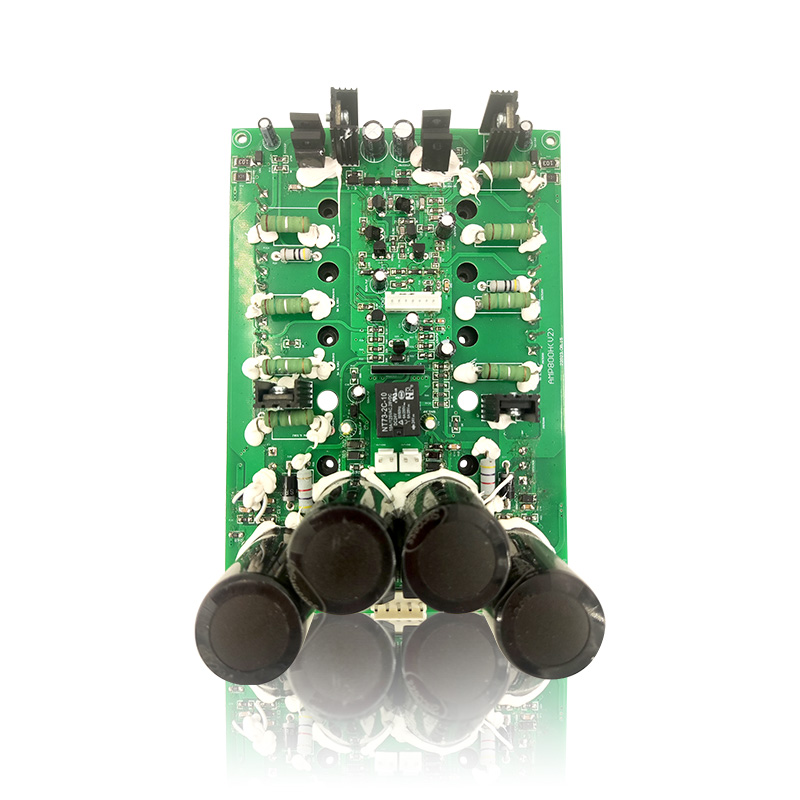
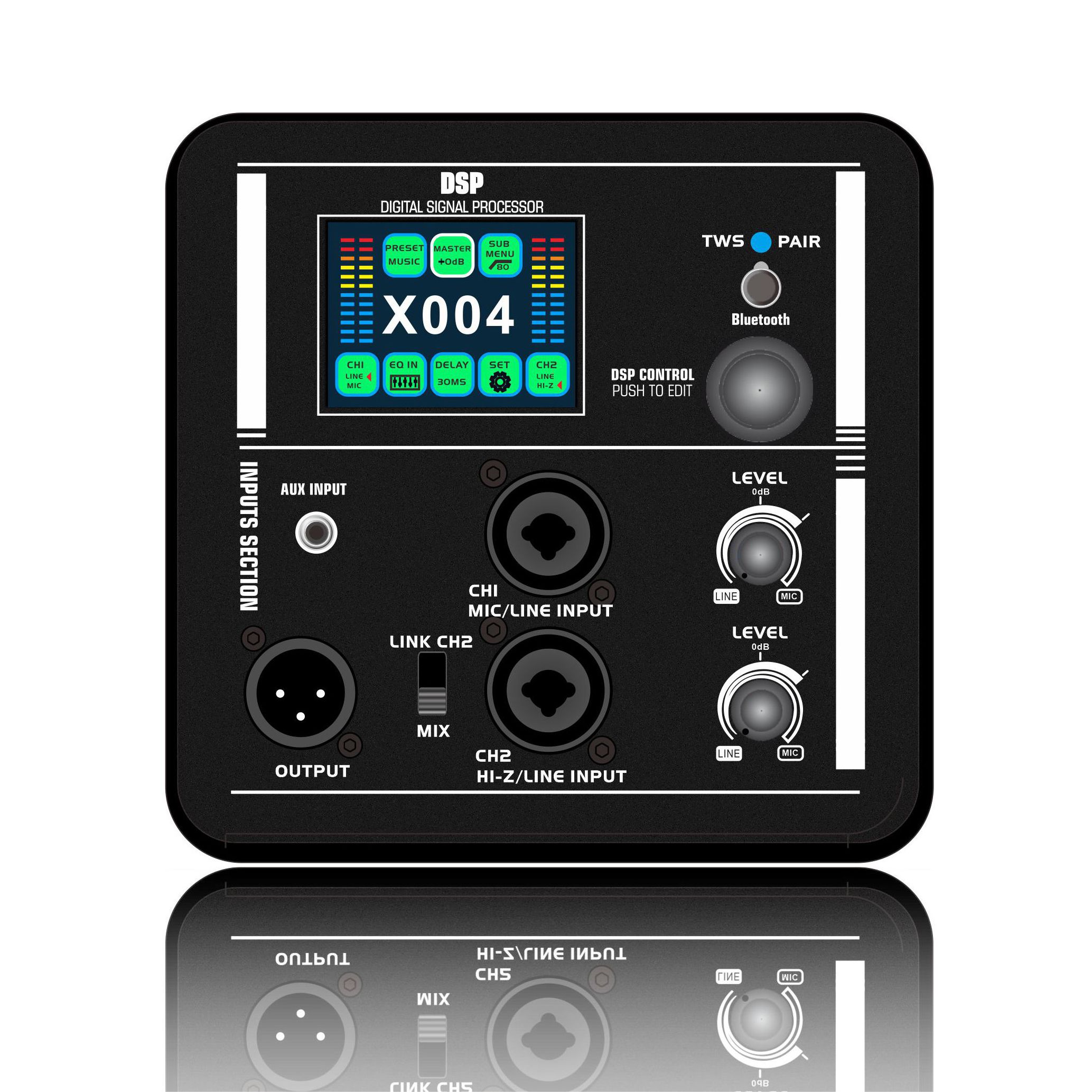
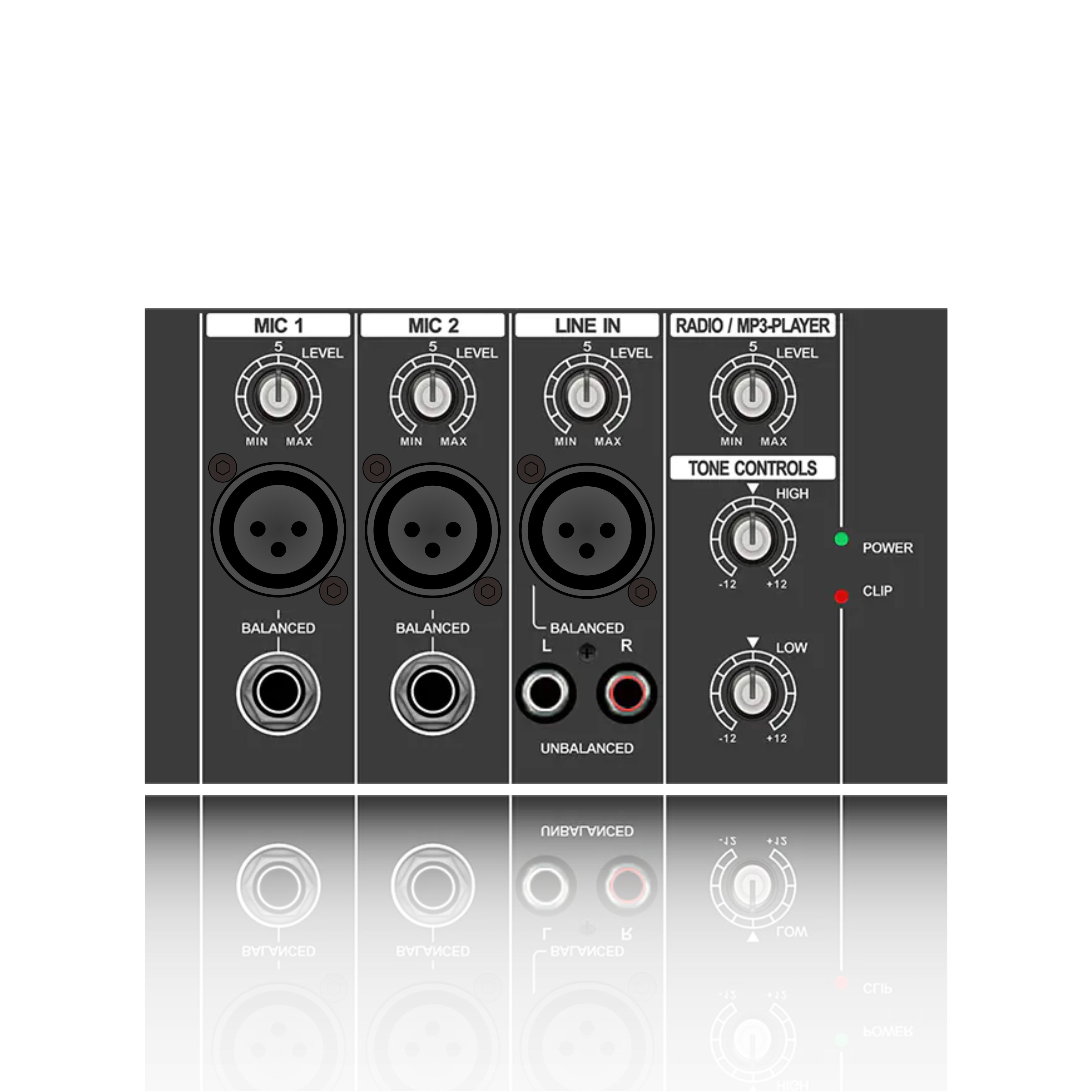
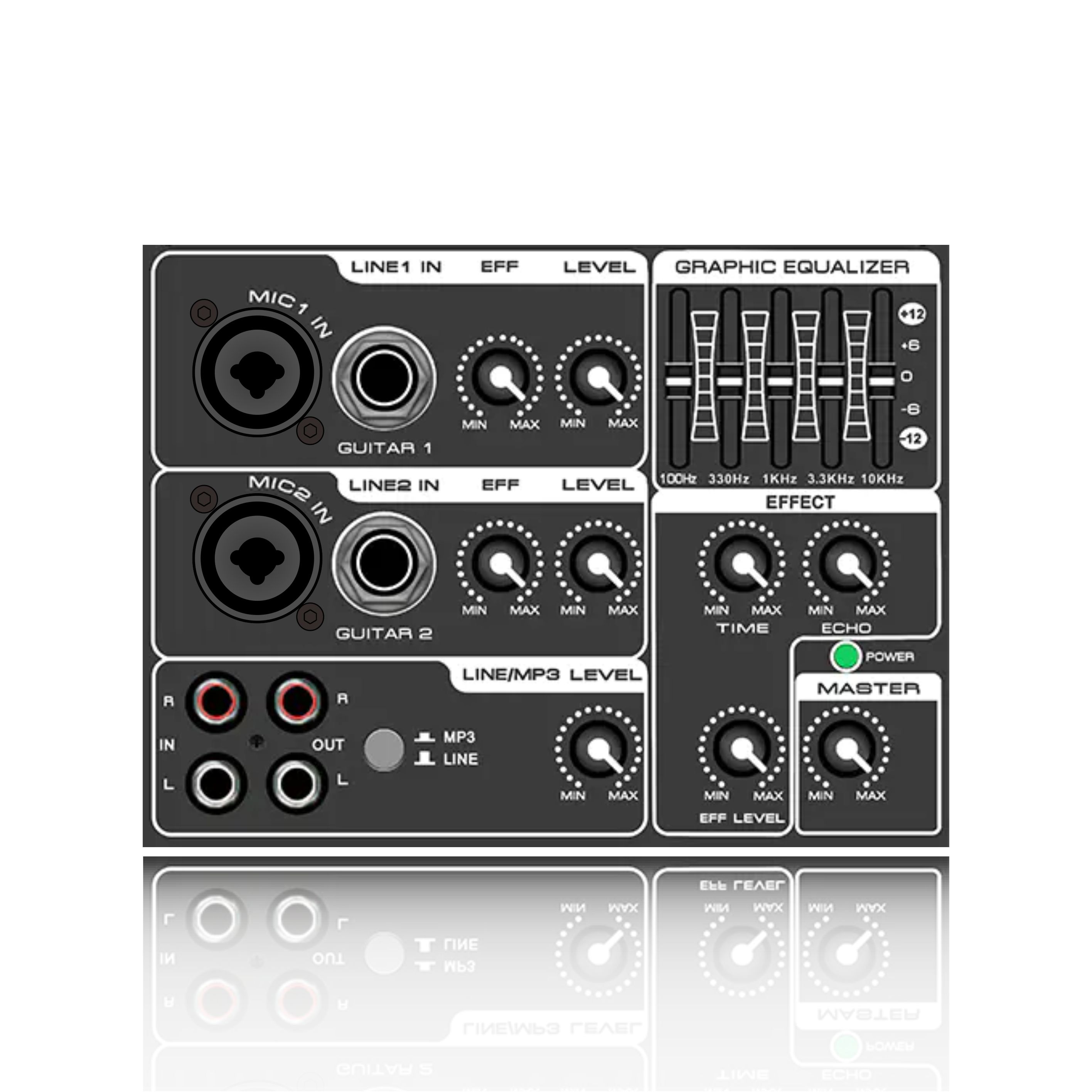
Jsme profesionální audio podnik integrující výzkum a vývoj, výrobu a prodej. Jsme profesionální Horizontální funkční modul Výrobci a Horizontální funkční modul Továrna. Po mnoho let se zaměřujeme na výrobu zvukových mixážních pultů, aktivních výkonových zesilovačů, mikrofonů a souvisejících elektronických součástek, zařízení a dalších produktů.
Specializujeme se na Vlastní Horizontální funkční modul a další produkty. V průběhu let se společnost drží obchodní politiky dobrých produktů, dobrých služeb a dobré pověsti a navázala dlouhodobé a stabilní kooperativní vztahy s mnoha společnostmi doma i v zahraničí a dlouhodobě poskytuje služby OEM pro mnoho známých audio značek. Vítáme zákazníky ze všech oblastí, aby nás navštívili, poradili se a jednali o obchodu. Společnost má profesionální týmy pro návrh, výrobu a testování a může přizpůsobit produkty podle potřeb zákazníků.

Horizontální funkční modul (HFM) je koncept vývoje softwaru, který odkazuje na modul nebo komponentu aplikace, která provádí specifickou horizontální funkci, jako je zabezpečení, protokolování nebo ověřování, a je opakovaně používána ve více aplikacích v rámci organizace.

Jinými slovy, namísto vytváření samostatných bezpečnostních nebo ověřovacích modulů pro každou aplikaci lze vytvořit jeden HFM pro zabezpečení nebo autentizaci, který lze použít ve více aplikacích. Tento přístup nejen šetří čas a zdroje, ale také pomáhá při standardizaci a udržování konzistence napříč aplikacemi.

HFM jsou také označovány jako průřezové moduly nebo moduly s křížovými funkcemi. Jsou součástí paradigmatu programování orientovaného na aspekty (AOP), jehož cílem je modularizovat a spravovat problémy, které se týkají více částí aplikace.

NOVINKY

NOVINKY A BLOGY

Horké produkty

Horizontální funkční modul Továrna

Vývoj průmyslových znalostí

Unlocking Efficiency: Exploring the Benefits of Horizontal Functional Modules (HFM)

Horizontal Functional Modules (HFM) are a modular approach to organizing and structuring an organization's functions and processes. Instead of following a traditional vertical hierarchy, where each department operates independently, HFMs encourage cross-functional collaboration and integration by grouping related functions horizontally.
The benefits of implementing HFM include:
    Enhanced efficiency: HFMs promote collaboration and communication across departments that traditionally work in silos. By breaking down barriers and fostering cross-functional teamwork, organizations can streamline processes, eliminate duplicated efforts, and reduce overall operational costs.
    Improved decision-making: When functions are organized horizontally, decision-making becomes more inclusive and collaborative. HFMs facilitate the exchange of ideas and knowledge between departments, allowing for a more comprehensive understanding of the implications of decisions. This holistic approach can lead to better-informed and more effective decision-making.
    Increased agility: In a rapidly changing business environment, agility is crucial for organizations to adapt and respond quickly. HFMs enable flexibility by promoting modular and cross-functional teams that can be easily reconfigured to address emerging priorities and challenges. This flexibility allows organizations to adjust their operations swiftly, seize opportunities, and mitigate risks.
    Accelerated innovation: HFMs encourage the sharing of diverse perspectives and expertise from various functional areas. By bringing together individuals with different skill sets and backgrounds, organizations can foster a culture of innovation. Collaborative problem-solving and brainstorming within HFMs can lead to creative solutions and novel approaches to challenges.
    Heightened customer focus: HFMs can enable organizations to better align their operations with customer needs. By integrating customer-facing functions (such as marketing, sales, and customer support) horizontally, organizations can improve communication and coordination, leading to a more cohesive and personalized customer experience.
    Enhanced employee engagement: HFMs promote a sense of ownership and shared purpose among employees. By working in cross-functional teams, employees gain a broader understanding of the organization and its goals. This can foster a greater sense of engagement, satisfaction, and motivation, as employees see how their work contributes to the overall success of the organization.
To unlock the full benefits of HFMs, organizations should consider implementing the following practices:
a. Clear communication channels: Establish effective communication channels to facilitate information sharing and collaboration across functions. This can include regular team meetings, digital collaboration platforms, and open channels for feedback and suggestions.
b. Agile project management: Implement agile project management methodologies to support cross-functional teams and enhance responsiveness to changing priorities. Agile methodologies, such as Scrum or Kanban, can help teams adapt quickly, iterate, and deliver value in shorter cycles.
c. Shared goals and metrics: Align goals and key performance indicators (KPIs) across functions to foster a shared sense of purpose and promote collaboration. This encourages departments to work together towards common objectives, rather than focusing solely on individual targets.
d. Continuous learning and development: Encourage employees to expand their skill sets and knowledge beyond their core functions. Provide opportunities for training, cross-functional rotations, and knowledge sharing to promote a well-rounded workforce capable of collaborating effectively within HFMs.
e. Supportive leadership: Cultivate a leadership style that promotes and supports the horizontal integration of functions. Leaders should emphasize collaboration, empower employees, and facilitate the exchange of ideas and information across teams and departments.
Implementing HFMs requires a thoughtful approach and a commitment to change management. Organizations must carefully assess their existing structures, develop a clear implementation plan, and provide the necessary resources and support to ensure a successful transition.